
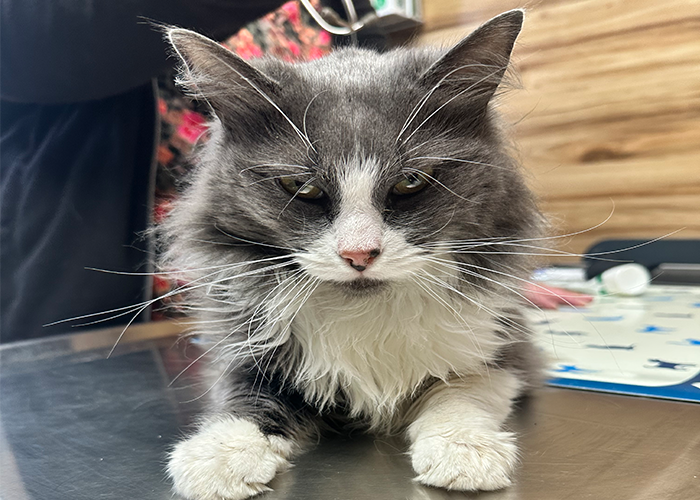
Cats are masters at hiding discomfort. A cat may look calm, walk around the house, and still deal with serious pain. Small changes in behavior can be easy to miss, especially if your pet spends a lot of time alone. For this reason, learning the signs that a cat is in pain can help protect your cat’s health and comfort.
Early detection plays a huge role in treatment and recovery. A minor issue caught early may be easier to manage than a condition left unnoticed for weeks or months. While some cats show clear signs of distress, others reveal pain through tiny shifts in their daily habits.
From eating less food to avoiding cuddles, several clues can signal a problem. Understanding these changes can help pet owners act quickly and seek veterinary care before a condition becomes more serious.
Cats may hide pain through subtle changes in behavior. Common signs include hiding more than normal, eating less, sleeping longer, limping, reduced grooming, excessive grooming of one area, unusual vocal sounds, irritability, difficulty jumping, litter box problems, and avoiding touch. Paying attention to these changes can help you recognize discomfort early and get veterinary care before the problem worsens.
Cats evolved as both hunters and prey. In the wild, showing weakness could attract larger animals and create danger. As a result, cats developed strong instincts to conceal illness and injury.
Unlike some dogs that display discomfort openly, cats tend to remain quiet and withdrawn. They may continue daily activities even while dealing with significant pain.
This behavior creates a challenge for pet owners. By the time symptoms become obvious, the underlying condition may have progressed. Learning to spot the subtle signs of pain in cats allows owners to respond before a health issue becomes severe.
One of the first things owners may notice is increased hiding. A cat may spend more time under beds, behind furniture, or inside closets.
Pain can make a cat feel vulnerable. Seeking secluded spaces may help them feel safer. If your social cat suddenly disappears for long periods or avoids family interaction, a veterinary evaluation is a smart next step.
A painful cat may lose interest in food or stop eating completely. Dental disease, stomach problems, arthritis, and internal illness can all affect appetite. Chewing may hurt, or movement toward food bowls may become difficult. If your cat skips meals, especially for more than a day, contact your veterinarian promptly.
Cats enjoy naps, but excessive sleep can signal discomfort. Pain drains energy and may lead a cat to rest more than normal. Owners may notice reduced playtime, less exploration, and lower interest in favorite activities. Changes in sleep patterns is one of the cat pain symptoms that deserve attention.
A friendly cat may become grumpy when pain enters the picture. Your pet may hiss, swat, growl, or react negatively during handling. This behavior does not mean your cat has become mean. Instead, physical discomfort may trigger defensive reactions. Veterinary care is important if personality changes appear without an obvious reason.
Cats take pride in keeping their coats clean. Pain can interfere with grooming routines. Some cats stop grooming and develop a rough or greasy coat. Others focus intensely on specific areas. If coat quality changes suddenly, pain may be playing a role.
Jumping onto beds, couches, and cat trees requires strength and flexibility. A cat dealing with joint pain, arthritis, or injury may hesitate before jumping. Some pets stop climbing entirely. Owners trying to learn how to tell if a cat is hurting should pay close attention to movement changes around the home.
Limping is one of the clearer signs of pain, but it can be subtle. Some cats shift weight away from a sore limb without fully limping. Others walk more slowly or appear stiff after resting. Any change in gait should be evaluated by a veterinarian, especially if it lasts longer than a day.
Cats communicate in different ways, and pain can affect vocal behavior. Some cats become more vocal and cry more than normal. Others produce different sounds, such as low growls or distressed yowls. A sudden shift in vocal patterns may indicate discomfort.
Pain can influence bathroom habits in several ways. A cat with arthritis may struggle to climb into the litter box. Urinary problems may lead to accidents outside the box. Some cats strain, visit the box repeatedly, or stop using it altogether. Litter box changes should never be ignored. They can point to serious medical issues.
Body posture provides important clues about health. A painful cat may sit with a rounded back, lowered head, and tense body. This posture can indicate abdominal pain, injury, or illness. If your cat appears uncomfortable while resting, seek veterinary advice.
Excessive licking can be a sign of localized pain. Cats may focus on a sore joint, irritated skin, or injured body part. Over time, this behavior can create bald patches or skin irritation. Repeated attention to one area deserves professional evaluation.
Cats who enjoy affection may suddenly pull away from touch. Pain can make petting uncomfortable, especially around affected areas. A cat may move away, flatten its ears, or become tense during handling.
This behavior is one of the most overlooked cat hiding pain signs, particularly in cats with chronic conditions.
Several health issues can cause discomfort in cats.
Arthritis affects joints and mobility. Senior cats face a higher risk, though younger cats can develop joint problems as well.
Tooth decay, gum disease, and oral infections can create significant pain. Reduced appetite and drooling may accompany dental problems.
Falls, fights, sprains, and fractures can lead to acute pain. Even indoor cats can suffer injuries.
Urinary infections, inflammation, and blockages can cause severe discomfort. Male cats face a higher risk of dangerous urinary blockages.
Stomach and intestinal conditions can cause abdominal pain, vomiting, and appetite loss.
Cancer may create pain through tumor growth, inflammation, or pressure on surrounding tissues.
Post-Surgical Discomfort
Recovery after surgery can involve temporary pain. Following veterinary instructions helps improve healing and comfort.
Recognizing signs that a cat is in pain during these conditions can lead to faster treatment and better outcomes.
Some symptoms require immediate veterinary attention.
● Difficulty Breathing: Labored breathing, open-mouth breathing, or gasping should be treated as an emergency.
● Crying Continuously: Persistent vocal distress can signal severe pain or a serious medical condition.
● Inability to Stand: A cat unable to stand, walk, or support its weight needs urgent medical care.
● Refusing Food for 24+ Hours: Extended food refusal can create additional health risks, especially in cats.
● Sudden Paralysis: Loss of movement in one or more limbs requires emergency veterinary evaluation.
Knowing when to take a cat to the vet can make a critical difference during these situations.
Diagnosing pain involves more than a simple observation.
● Physical Exams: Veterinarians assess posture, movement, flexibility, and responses to touch.
● X-Rays: Imaging helps identify fractures, arthritis, joint disease, and internal concerns.
● Bloodwork: Blood tests provide valuable information about organ function, infection, and inflammation.
● Mobility Assessments: Walking, jumping, and movement patterns can reveal hidden sources of discomfort.
● Dental Evaluations: Oral exams help detect painful dental conditions that may not be visible at home.
Combining these tools helps veterinarians determine the source of cat pain symptoms and create an effective treatment plan.
Human medications such as ibuprofen, acetaminophen, and aspirin can be extremely dangerous for cats. Some can be life-threatening even in small amounts.
Internet searches can provide helpful information, but they cannot replace a professional examination. Different conditions can produce similar symptoms.
Waiting too long may allow a minor problem to become a major health concern. If you notice repeated cat behavior changes or multiple subtle signs of pain in cats, schedule a veterinary visit.
Schedule An Appointment Today
If your cat seems different and you cannot figure out why, do not ignore the signs. Even small changes can point to a health problem that needs attention. The team at Mountain Veterinary Clinic can evaluate your pet, identify the cause of discomfort, and create a treatment plan focused on your cat’s health, comfort, and quality of life. Schedule an appointment today.
How do cats act when they are in pain?
Cats often become withdrawn, sleep more, hide, eat less, groom differently, or avoid being touched. Some cats may become unusually aggressive or vocal.
Do cats purr when they are in pain?
Yes. While purring can indicate contentment, some cats also purr when stressed, frightened, or experiencing pain.
Can a cat be in pain without crying?
Absolutely. Many cats suffer silently and show only subtle behavioral changes.
What is the most common cause of chronic pain in cats?
Arthritis and dental disease are among the most common causes of long-term pain in adult and senior cats.
Should I take my cat to the vet if it suddenly starts hiding?
If hiding behavior is unusual or accompanied by appetite changes, lethargy, or mobility issues, a veterinary examination is recommended.
Yes. Senior cats often develop chronic conditions gradually, making symptoms harder to notice.