
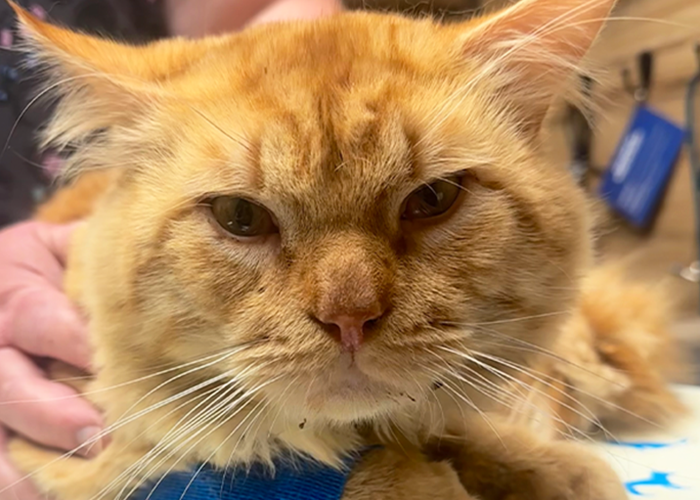
Cats have a quiet way of dealing with pain. Instead of crying or asking for help, they may act normal while feeling sick or hurt. Wild ancestors survived by hiding their weakness from predators, and this instinct still lives in house cats. Learning why cats hide pain can help you notice small behavior changes before a health problem grows. Early care can protect your cat from serious illness, reduce suffering, and improve recovery. This guide explains subtle warning signs, common causes of pain, and the right time to seek veterinary care.
Cats have lived alongside humans for thousands of years, yet they still carry instincts from life in the wild. A cat showing pain could become an easy target for predators or lose its place in a group. For survival, hiding illness became a natural habit.
Even inside a safe home, this instinct remains strong. A cat may act calm while dealing with serious discomfort. Instead of crying, it may hide under a bed, stop playing, or avoid family members.
Territory also plays a part. Cats feel safe in familiar spaces and may retreat to quiet places if they feel unwell. Stress can also hide illness. A move, new pet, loud noise, or change in routine may cause a cat to cover up pain while trying to feel secure.
Indoor cats are no different. Living inside does not remove natural instincts. Every pet owner should learn how to tell if a cat is in pain by paying close attention to daily habits instead of waiting for obvious signs.
Pain hidden for days or weeks can delay diagnosis. A small problem may grow into a serious disease before anyone notices. Untreated pain affects a cat’s quality of life. Pets may stop eating, stop playing, or avoid family interaction. Some diseases become harder to treat if they progress for too long.
A hidden illness can also turn into an emergency. Urinary blockages, kidney disease, severe infections, and internal injuries need quick treatment. Waiting too long may place a cat’s life at risk. Treatment costs can also increase when the disease advances. Early care gives veterinarians more treatment options and improves recovery.
Watching for signs of pain in cats every day helps owners act before a small concern becomes a major health issue.
One of the first signs is spending long periods under beds, inside closets, or behind furniture. A friendly cat may avoid family members and choose quiet places instead. While cats enjoy private spaces, sudden changes deserve attention, especially if hiding continues for more than a day.
A painful mouth, stomach problem, kidney disease, or injury can reduce appetite. If you notice the cat not eating and hiding, take it seriously. Missing meals can lead to dangerous health problems, especially in older cats or kittens.
Changes in water intake may point to kidney disease, diabetes, urinary problems, or fever. Watch the water bowl each day. Small changes over several days can reveal hidden illness before other symptoms appear.
Cats enjoy naps, but sleeping much longer than normal may signal discomfort. A painful cat may avoid play, ignore favorite toys, and spend most of the day resting. Compare current habits with your cat’s normal routine instead of another pet’s schedule.
Cats love climbing onto furniture and window ledges. If your pet hesitates before jumping or stops climbing completely, joint pain, arthritis, or injury may be present. This change is one of the important feline pain indicators owners should never ignore.
Healthy cats spend time cleaning themselves. Pain can change this habit. Some cats stop grooming and develop messy fur. Others lick one painful area over and over until the hair becomes thin or the skin turns red.
A gentle cat may hiss, bite, scratch, or growl if touched near a painful area. Aggression does not always mean bad behavior. Sometimes it is a way of saying, “Please do not touch me.”
Limping is one of the easiest cat pain symptoms to notice. Even a slight change in walking deserves attention. Cats can hide injuries very well, so a mild limp may point to a larger problem.
Slow weight loss can happen without the owners noticing. Pain, dental disease, digestive illness, kidney problems, and cancer may reduce food intake. Regular weight checks help catch problems early.
Pain may cause a cat to urinate outside the litter box or avoid using it. Urinary disease, arthritis, constipation, or bladder pain can make entering the box difficult. Any sudden bathroom change needs veterinary evaluation.
Some cats become very quiet, while others meow more than normal. Crying during movement, using the litter box, or while resting may signal discomfort. Voice changes should always be taken seriously.
Large pupils without dim lighting can suggest pain, stress, or illness. Eye changes along with hiding, poor appetite, or reduced activity, deserve prompt attention.
Fast breathing while resting is never normal. Pain, heart disease, lung disease, or injury may be responsible. Count breathing while your cat sleeps if you notice quick chest movement.
A cat in pain may keep its tail low, tucked close to the body, or completely still. Tail posture provides useful clues when combined with other cat behavior changes.
Struggling to stand, walking slowly, or losing balance can point to arthritis, nerve disease, injury, or serious illness. These problems need veterinary care as soon as possible.
Several health conditions can cause pain while remaining hidden during the early stages:
Knowing these common causes makes it easier to recognize sick cat behavior before conditions become severe.
Some symptoms need immediate medical care.
Seek veterinary attention right away if your cat has:
Less severe changes also deserve an appointment. If you notice ongoing hiding, weight loss, limping, grooming changes, or other cat pain symptoms, schedule an examination.
Veterinarians use several tools to find the source of hidden pain:
Pain assessment scales also help evaluate posture, facial expression, movement, appetite, and behavior. Combining these findings gives a clearer picture of your cat’s health.
Not every illness can be prevented, but healthy habits lower risk and improve early detection:
Home observation is just as important. Watching eating habits, water intake, grooming, movement, and litter box use gives valuable clues about your cat’s health. Regular observation makes telling if a cat is in pain much easier for every owner.
Some cats become frightened during travel or clinic visits. Fear can hide symptoms and make examinations more difficult. A mobile veterinarian for cats can examine pets inside their familiar home environment. Reduced stress helps cats behave more naturally, giving veterinarians a better view of normal movement and behavior.
Home visits are especially helpful for senior cats, pets with arthritis, anxious animals, or families with several cats. Owners also enjoy added convenience without transporting nervous pets across town.
For families watching cat behavior changes, a home examination may provide valuable insight while creating a calmer experience for both pets and owners.
Cats rarely show pain in obvious ways. Instead, they communicate through small behavior changes like hiding, eating less, sleeping more, avoiding jumps, or acting differently around family members. Paying close attention to these signals helps protect your cat’s health and comfort. If you notice lasting changes or several warning signs together, arrange a veterinary examination without delay. Early diagnosis gives your cat the best chance for a happier and healthier life.
Schedule A Professional Examination Today
If your cat shows unusual behavior, do not wait for clear signs of illness. Early care can protect health, reduce pain, and improve recovery. Schedule a professional examination with Mountain Veterinary Clinic if you notice lasting changes in appetite, movement, grooming, or daily habits. A caring team can evaluate your pet, answer your questions, and help your feline companion enjoy a healthier, more comfortable life.
Cats hide illness as a natural survival instinct inherited from their wild ancestors. Showing weakness could place them in danger, so they instinctively mask pain. Careful observation of daily habits helps owners recognize health problems before they become serious.
Watch for hiding, poor appetite, sleeping longer, avoiding jumps, grooming changes, limping, litter box problems, or unusual sounds. Small changes in normal behavior provide valuable clues and should never be ignored if they continue.
Yes. Cats may purr while feeling pain, fear, or stress. Purring is not always a sign of happiness. Look at appetite, movement, posture, and behavior, along with purring, to understand how your cat feels.
No. Cats enjoy quiet places for rest and privacy. However, sudden hiding with appetite loss, weight loss, limping, or other behavior changes deserve veterinary attention to rule out illness or injury.
Yes. Arthritis causes joint pain and reduced movement. Cats may avoid climbing, jumping, or playing. They may spend more time resting in quiet places where movement requires less effort and causes less discomfort.
Seek veterinary care if your cat stops eating for 24 hours, struggles to breathe, has bloody urine, collapses, cannot walk, vomits repeatedly, or shows lasting behavior changes such as hiding, limping, or weight loss.
Dental disease, kidney disease, urinary tract problems, infections, digestive disorders, cancer, and liver disease can reduce appetite. A cat refusing food needs prompt evaluation to identify the underlying cause and begin treatment.
Yes. Changes in routine, new pets, unfamiliar visitors, or loud sounds may cause hiding. Stress can also hide signs of illness, making careful observation important if behavior fails to improve within a short time.
Yes. Senior cats face a greater risk of arthritis, kidney disease, dental disease, and cancer. Regular health screenings help detect hidden illness early and allow treatment before serious complications develop.
Yes. A mobile veterinarian can perform physical exams, evaluate behavior, collect samples for testing, and recommend treatment in your home. Home visits reduce travel stress and help nervous or senior cats feel more comfortable.