
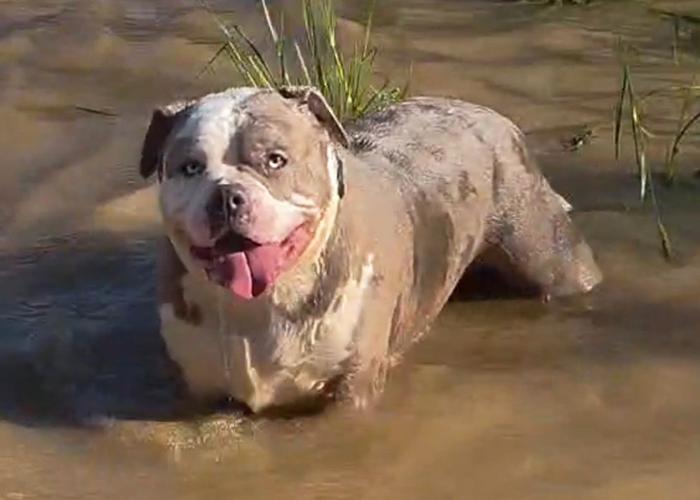
Seeing your dog drink water is a good thing. Water helps keep the body healthy and working properly. But what if your dog starts drinking much more than normal? A lot of pet owners ask, “why is my dog always thirsty?” It is one of the most searched dog health questions online. In some cases, extra thirst is completely normal. A hot day, a long walk, or a change in food can make a dog drink more water.
Still, there are times when a dog drinking more water than usual can be an early sign of a health problem. Knowing what is normal and what is not can help you get the right care for your pet at the right time.
Dogs may drink more water after exercise, during hot weather, or after switching to dry food. Some medicines can also make dogs feel thirstier. In other cases, extra drinking may be linked to health problems such as diabetes, kidney disease, Cushing’s disease, infections, or liver disease. If your dog keeps drinking more water for several days or has other symptoms, it is best to contact a veterinarian.
Most healthy dogs drink about 50 to 60 milliliters of water for every kilogram of body weight each day.
For example:
A dog’s water needs can change based on:
Dogs eating dry kibble may need more water than dogs eating wet food. Active dogs may also drink more than dogs with a quieter lifestyle.
Dogs lose water when they pant. During warm weather, they need more water to cool down and replace lost fluids. If your dog drinks more water during summer or after spending time outside, the increase may be completely normal.
After running, playing, hiking, or taking a long walk, dogs need extra water. Just like people, dogs get thirsty after physical activity. Drinking more after exercise helps replace fluids lost during movement and panting.
Dry kibble contains very little moisture. Dogs eating dry food may drink more water throughout the day compared to dogs eating canned or fresh food. If you recently changed your dog’s meals, the increase in drinking may be related to the new diet.
Some medicines can make dogs feel thirsty. These include:
If increased thirst starts after a new medication, speak with your veterinarian.
Stress can affect a dog’s habits. Moving to a new home, loud noises, travel, or changes in the family can sometimes lead to excessive thirst in dogs. If the behavior continues, a medical cause should be checked as well.
Veterinarians call abnormal thirst polydipsia in dogs. Several health problems can cause this symptom.
Diabetes affects the way the body uses sugar. One of the first signs is increased thirst and increased urination.
Other signs may include:
Early treatment can help manage the disease and improve quality of life.
The kidneys help remove waste from the body and control water levels. When the kidneys are not working well, dogs may drink more water and urinate more often.
Other signs may include:
Kidney problems are more common in older dogs.
Cushing’s disease happens when the body makes too much cortisol.
Common signs include:
These changes may appear slowly over time.
The liver helps with digestion and many other body functions. Dogs with liver disease may drink more water and show signs such as:
A urinary tract infection can make a dog feel uncomfortable and thirsty.
Signs may include:
Treatment can help clear the infection and prevent further problems.
Problems with certain hormones can change the way the body controls water. Conditions such as Addison’s disease and thyroid problems may lead to increased thirst and urination.
Dogs with a fever may drink more water than normal. The body needs extra fluids while fighting illness. If your dog seems sick and is drinking a lot, veterinary care is important.
A little extra drinking is not always a problem. However, some symptoms should not be ignored.
Watch for these dog health warning signs:
If the dog is drinking excessive water along with any of these signs, contact a veterinarian.
Seek veterinary care if:
Getting help early can prevent bigger health problems.
To find the cause of polydipsia in dogs, veterinarians may use several tests.
The veterinarian will check your dog’s overall health and look for signs of illness.
A urine test can help check for:
Blood tests can help find:
Extra testing may be needed if kidney disease is suspected.
Hormone tests can help find conditions such as Cushing’s disease or Addison’s disease.
Some causes cannot be prevented. Still, healthy habits can help lower risk and catch problems early.
Regular veterinary checkups are one of the best ways to protect your dog’s health. During these visits, your veterinarian can look for early signs of illness, check weight and body condition, and recommend tests if needed. Finding problems early can make treatment easier and more successful.
Keeping your dog at a healthy weight helps reduce strain on the joints, heart, and other organs. Dogs carrying extra weight may face a higher risk of diabetes and other health concerns. A healthy weight can also improve energy levels, comfort, and overall quality of life.
A complete and balanced diet gives your dog the nutrients needed for healthy growth, strong muscles, and proper body function. Choose food that matches your dog’s age, size, and activity level. Good nutrition can help support the immune system and reduce the risk of certain health problems.
Paying attention to how much water your dog drinks each day can help you spot changes early. If your dog suddenly starts drinking much more or much less than normal, it could be a sign of a health issue. Tracking water intake provides useful information for your veterinarian.
Regular exercise helps keep your dog’s body strong and healthy. Activities such as walks, playtime, and games help maintain a healthy weight, improve muscle strength, and support mental well-being. Exercise also helps burn energy and can reduce boredom-related behaviors.
Clean, fresh water should be available to your dog at all times. Proper hydration supports digestion, circulation, temperature control, and overall health. Limiting water can lead to dehydration and other serious problems. Only restrict water if your veterinarian specifically advises you to do so.
Extra thirst does not always mean something is wrong. Heat, exercise, food changes, and certain medicines can all make a dog drink more water. However, a dog drinking excessive water should never be ignored.
Pay attention to changes in your dog’s habits and watch for other dog health warning signs. Finding the cause early can lead to faster treatment and better results for your pet.
A sudden change in drinking habits should not be ignored. If your dog is drinking more water than normal, urinating more, losing weight, or showing other unusual signs, a veterinary visit can help find the cause. The team at Mountain Veterinary Clinic is here to help your pet feel their best with caring, thorough health evaluations and treatment plans designed for their needs.
Why is my dog suddenly drinking so much water?
Common causes include hot weather, exercise, food changes, medications, diabetes, kidney disease, infections, and hormone problems.
How much water is too much for a dog?
Most dogs need around 50 to 60 ml of water per kilogram of body weight each day. If your dog starts drinking much more than normal, talk with your veterinarian.
Is excessive thirst a sign of diabetes in dogs?
Yes. Increased thirst and urination are common early signs of diabetes.
Why is my senior dog drinking more water?
Older dogs have a higher chance of developing kidney disease, diabetes, and hormone-related health problems.
Should I limit my dog’s water intake?
No. Limiting water can be dangerous unless a veterinarian specifically recommends it.
Yes. Stress and anxiety can sometimes increase water intake. A health problem should still be ruled out if the behavior continues.