
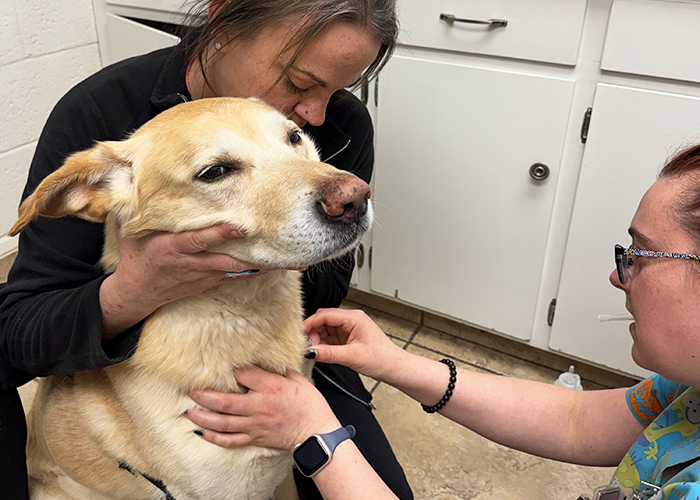
Every pet deserves a long, happy life filled with play, love, and good health. Pets can look bright and active while hidden health problems grow quietly inside the body. Early disease screening for pets helps find these problems before clear signs appear. Early care gives veterinarians more treatment choices and gives families peace of mind. A simple health check can protect your pet from serious illness, reduce future medical bills, and help your furry friend enjoy more healthy years with the people who love them.
Early disease screening is a group of tests and health checks used to find illness before it becomes serious. A pet may look perfectly fine on the outside, yet a hidden condition can develop without clear warning signs. Finding problems early allows treatment to begin before permanent damage happens.
A complete pet wellness screening may include several important parts:
A veterinarian checks your pet from nose to tail. The exam includes listening to the heart and lungs, checking the eyes and ears, feeling the abdomen, examining joints, and looking at the skin and coat. Small changes found during this visit can point to health concerns.
Pet blood work gives valuable information about organs, blood cells, blood sugar, and body chemistry. These tests help detect illnesses before physical symptoms become noticeable.
A urine sample helps evaluate kidney function, hydration, urinary tract health, and signs of diabetes or infection.
Stool testing checks for intestinal parasites and other digestive problems. Some parasites can spread to people, making this test important for the entire family.
Heartworm disease can become life threatening for dogs and may affect cats as well. Regular screening allows treatment before severe damage develops.
If needed, X-rays or ultrasound images provide a closer look at bones, organs, and soft tissues. Imaging helps confirm problems found during the physical examination or laboratory testing.
Finding disease before symptoms become serious creates better chances for successful treatment. Preventive care protects both your pet’s health and your family’s finances.
Health conditions found in their early stages respond better to treatment. Starting care sooner can slow disease progression and improve recovery.
Small health issues cost less to manage than advanced diseases requiring emergency treatment, surgery, or long hospital visits.
Early diagnosis gives veterinarians more treatment options. Pets have a stronger chance of living healthy lives after prompt care begins.
Routine preventive pet care helps catch silent diseases before they damage important organs. Early action can add healthy years to your pet’s life.
Pets feel better when illness is managed before pain or discomfort becomes severe. They can continue enjoying walks, games, cuddles, and family time.
Several health problems develop quietly. Routine annual pet health screening helps identify these conditions before they become difficult to treat.
Kidney disease develops slowly in both dogs and cats. Blood and urine tests can reveal early changes before drinking, weight loss, or poor appetite begin.
Blood sugar testing helps detect diabetes in its early stages. Quick treatment helps control blood sugar and reduces complications.
A physical examination may reveal heart murmurs or abnormal rhythms. Blood tests and imaging provide additional information for diagnosis and treatment planning.
Changes in liver enzymes appear through pet blood work before visible illness develops. Early care helps protect liver function.
Dental disease affects more than teeth. Gum infections can spread through the bloodstream and affect other organs. Routine oral exams help prevent serious problems.
Some cancers develop without obvious warning signs. Physical exams, blood testing, and imaging improve the chance of finding growths early.
Joint disease starts gradually. Early diagnosis allows pain management and lifestyle changes before mobility becomes severely limited.
Thyroid disorders affect weight, energy levels, and body function. Blood testing helps identify hormone changes quickly.
Urine testing detects infections, crystals, bladder inflammation, and kidney concerns before severe pain develops.
Internal parasites may not cause immediate symptoms. Fecal testing helps identify worms and other parasites early, protecting both pets and family members.
Every pet benefits from routine health checks. Some groups need closer monitoring due to age, breed, or existing health conditions.
Young dogs need regular exams to monitor growth, detect birth defects, and screen for parasites. Early visits build a strong health foundation.
Kittens require routine exams, parasite checks, and health monitoring during rapid growth. Early screening helps identify hidden problems before they affect development.
Healthy adult pets benefit from yearly pet health checkup visits. Regular testing creates a health record for future comparison.
Older pets face higher risks for kidney disease, diabetes, arthritis, heart disease, and cancer. Senior pet screening allows veterinarians to find age-related diseases before serious complications develop.
Large dog breeds may develop joint problems, heart disease, or orthopedic conditions earlier than smaller breeds. Regular monitoring protects long-term health.
Pets living with diabetes, kidney disease, allergies, or heart conditions require frequent monitoring to evaluate treatment progress.
Extra body weight increases the risk of diabetes, arthritis, heart disease, and liver problems. Routine screening helps identify these conditions early.
| Age | Frequency | Recommended Tests |
| Puppies and Kittens | Every 3 to 4 weeks until vaccination series ends | Physical exam, fecal testing, parasite screening, growth assessment |
| Healthy Adult Pets | Once each year | Physical exam, pet blood work, urinalysis, fecal testing, heartworm testing |
| Senior Pets | Every 6 months | Complete exam, blood work, urinalysis, blood pressure, and imaging if needed |
| Pets With Chronic Conditions | Based on veterinary advice | Blood tests, urine testing, imaging, and disease monitoring |
A screening visit follows a clear process designed to give your veterinarian a complete picture of your pet’s health.
The veterinarian asks about eating habits, water intake, bathroom habits, activity level, medications, and any recent changes at home.
Your pet receives a complete body examination. Every major body system is checked for changes or warning signs.
A small blood sample allows laboratory testing for organ function, blood cell counts, hormone levels, and signs of infection.
Urinalysis checks kidney health, bladder function, hydration, and diabetes.
A fresh stool sample helps identify parasites and digestive issues.
If the veterinarian finds an unusual lump, breathing concern, or joint problem, X-rays or ultrasound images may provide more detailed information.
Routine screening is important, yet some signs require prompt veterinary attention. Do not wait if your pet shows any of these symptoms.
Early evaluation gives your veterinarian the best chance to identify the cause before the condition becomes more serious.
Some pets become nervous during clinic visits. Home appointments create a calm experience while allowing complete health evaluations.
● Reduced Stress: Pets feel more relaxed in familiar surroundings, making examinations easier.
● Easier for Senior Pets: Older pets with arthritis or mobility problems avoid difficult travel and long waiting times.
● Better Patient Compliance: Calm pets allow smoother examinations, blood collection, and sample collection.
● Comfortable Environment: Home visits reduce anxiety for pets sensitive to new places, sounds, or unfamiliar animals.
● Multiple Pets Seen Together: Families with several pets can schedule health screenings during one visit, saving both time and effort.
Routine screening works best alongside healthy daily habits.
● Feed a Balanced Diet: Choose complete nutrition based on your pet’s age, size, and health needs.
● Encourage Daily Exercise: Regular activity keeps muscles strong, helps maintain healthy weight, and improves overall wellness.
● Practice Dental Hygiene: Brush your pet’s teeth and schedule dental cleanings to reduce gum disease.
● Prevent Parasites: Use veterinarian-recommended flea, tick, and heartworm prevention throughout the year.
● Maintain a Healthy Weight: A healthy body weight lowers the risk of diabetes, arthritis, and heart disease.
● Keep Vaccinations Current: Vaccinations protect against serious infectious diseases and remain an important part of preventive veterinary care.
Disease does not always give clear warning signs during the early stages. Routine health screening gives veterinarians the chance to find hidden problems before serious damage develops. Early diagnosis improves treatment success, protects quality of life, and helps pets enjoy more happy years with their families.
Schedule Your Pet’s Wellness Screening Today
Give your pet every chance for a longer, healthier life through regular health screenings. If your dog or cat is due for a checkup or you have noticed changes in health or behavior, contact Mountain Veterinary Clinic today. Our caring veterinary team provides thorough evaluations, diagnostic testing, and personalized care plans designed to help your beloved companion enjoy every stage of life with confidence.
Healthy adult pets should receive a wellness screening once each year. Senior pets and animals with ongoing medical conditions benefit from screening every six months or as recommended by their veterinarian after reviewing health history.
Blood tests help detect kidney disease, liver disease, diabetes, thyroid disorders, infections, anemia, immune disorders, electrolyte problems, and several metabolic conditions. Results also help veterinarians monitor organ function and evaluate treatment progress.
Yes. Pets can hide illness until the disease becomes advanced. Wellness screening finds hidden problems before visible symptoms develop, giving veterinarians more treatment options and improving long-term health outcomes.
Dogs and cats generally begin senior screening around seven years of age. Giant dog breeds may require earlier monitoring. Your veterinarian will recommend the best schedule based on breed, size, lifestyle, and health history.
Coverage depends on your insurance plan. Some wellness plans include preventive screenings, blood tests, and routine exams, while accident-only policies may not include these services. Review your policy carefully before scheduling appointments.
A wellness exam includes a physical examination, medical history review, weight assessment, heart and lung evaluation, dental check, skin examination, joint assessment, and recommendations for laboratory testing based on age and health needs.
Blood collection takes only a few minutes. Basic laboratory results may return the same day or within twenty four hours, while specialized tests may require several additional days for complete analysis.
Yes. Mobile veterinarians can perform physical examinations, collect blood, urine, and stool samples, provide preventive care, and arrange imaging or laboratory testing when additional evaluation becomes necessary.
Most screening procedures create very little discomfort. Gentle handling, experienced veterinary teams, and calm environments help reduce anxiety. Home veterinary visits may provide extra comfort for nervous or older pets.
Screening costs vary based on your location, your pet’s age, and recommended tests. Basic wellness packages cost less than advanced diagnostic evaluations. Early screening can reduce future medical expenses by finding the disease sooner.